
The medical device industry occupies a unique intersection of engineering, clinical practice, regulatory oversight, and patient safety. Innovations in this sector range from implantable hardware and surgical instruments to wearable sensors, imaging systems, robotic platforms, and software-driven diagnostic tools. Because medical devices frequently combine mechanical components, electronics, data processing systems, and clinical methodologies, intellectual property strategy must account for both technological complexity and evolving legal standards.
Innovations related to medical device technology, medical data processing, signal analysis, and output generation can be patentable. However, they face heightened scrutiny, particularly when claims involve software functionality or diagnostic decision-making. In the United States, patent eligibility analysis is influenced by judicial standards addressing abstract ideas and laws of nature. Claims directed merely to guiding human actions, applying clinical judgment, or reflecting natural correlations are often difficult to sustain. If a computer is used only as a generic tool to perform well-understood, routine, and conventional computing functions, such claims may be found ineligible. Similarly, simply observing, measuring, gathering, analyzing, or storing data using general-purpose computing functionality is unlikely to qualify as patentable subject matter.
In contrast, claims that provide a high degree of technical specificity and recite particularized system configurations or concrete data processing techniques are more likely to withstand eligibility challenges. For example, a medical imaging system that applies a novel algorithm implemented in a defined hardware architecture to enhance signal resolution or reduce diagnostic latency may present stronger patentable subject matter. The key is demonstrating that the invention improves the functioning of the device or computing system itself, rather than merely applying conventional computing tools to medical information.
Beyond subject matter eligibility, novelty and non-obviousness present additional hurdles. Medical devices often incorporate well-known technologies, such as sensors, microcontrollers, wireless communication modules, and mechanical components. Patent examiners will compare a claimed invention to existing patents, published scientific literature, regulatory filings, and even commercially available products. In crowded fields such as catheter design, orthopedic implants, infusion pumps, and wearable monitoring systems, incremental improvements can be difficult to distinguish from prior art.
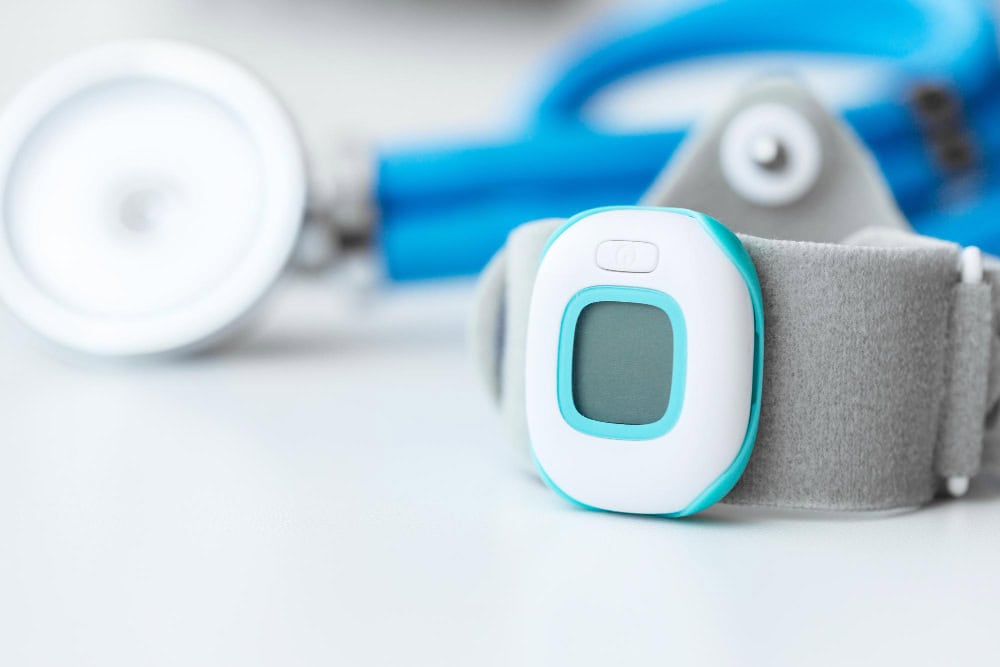
This challenge is particularly acute when the innovation involves seemingly modest refinements, such as altering the curvature of a catheter, modifying a stent’s surface texture, adjusting electrode placement in a wearable sensor, or refining a user interface in a monitoring system. To succeed, applicants must clearly articulate how the device solves a clinical or engineering problem in a way that others have not attempted. Demonstrating improved patient outcomes, reduced complication rates, enhanced durability, increased accuracy, or simplified surgical techniques can strengthen arguments for non-obviousness. Supporting data, prototypes, and comparative testing may play an important role in overcoming examiner rejections.
Patenting a medical device often involves more complexity than other types of inventions. Overlapping technologies, integration of hardware and software, interoperability with hospital systems, and compliance with regulatory standards create layered technical and legal considerations. Regulatory pathways, including clearance or approval processes administered by agencies such as the Food and Drug Administration in the United States, can influence both timing and disclosure strategies. Public regulatory submissions, clinical trial publications, and investor communications must be coordinated carefully with patent filings to avoid jeopardizing rights in certain jurisdictions.
Freedom-to-operate analysis is also critical. Many device categories are characterized by dense patent landscapes and long histories of incremental innovation. Before investing heavily in manufacturing, clinical trials, and commercialization, companies should evaluate whether their products risk infringing existing patents. This analysis may involve reviewing competitor portfolios, identifying expired patents, assessing claim scope, and considering licensing opportunities. Early evaluation can prevent costly redesigns or litigation after product launch.
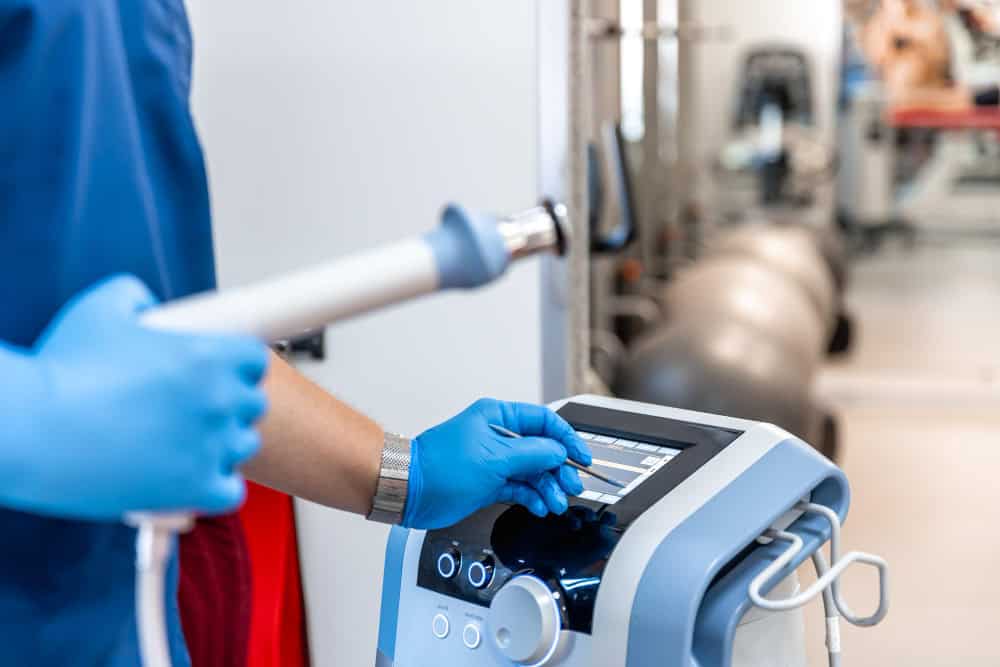
Drafting strategy in the medical device space requires technical precision and strategic breadth. Applications should describe mechanical structures, material compositions, electronic configurations, signal processing techniques, user interfaces, and alternative embodiments in detail. Multiple claim types, including apparatus claims, system claims, and method claims, can provide layered protection. Where appropriate, claims may also address manufacturing processes or sterilization techniques that confer additional advantages.
Portfolio management is an ongoing obligation. As devices evolve through iterative design improvements, software updates, and expanded clinical indications, follow-on patent filings may be necessary to maintain comprehensive protection. Continuation applications can preserve flexibility and allow claim scope to adapt as market conditions and competitive landscapes shift.
Given the convergence of engineering, clinical science, regulatory compliance, and complex patent jurisprudence, engaging experienced patent counsel is essential in the medical device industry. Skilled advisors help structure claims to navigate subject matter eligibility standards, articulate non-obvious technical improvements, coordinate filing strategies with regulatory timelines, and assess freedom-to-operate risks. Companies that integrate intellectual property planning into product development from the earliest stages will be better positioned to secure durable, enforceable rights and bring innovative medical technologies to market with confidence.
Leave a message and we will contact you shortly.
In Bard Peripheral Vascular, Inc. v. W.L. Gore & Associates, Inc. 14-1114 – 2015-01-13, the Federal Circuit upheld a district court decision finding willful infringement....
This involves submitting a meticulously drafted document to the patent office that technically and legally describes your invention, officially starting the protection process.
This involves submitting a meticulously drafted document to the patent office that technically and legally describes your invention, officially starting the protection process.
This involves submitting a meticulously drafted document to the patent office that technically and legally describes your invention, officially starting the protection process.
Leave a message and we will contact you shortly.