
The downstream chemical industry, responsible for transforming basic chemicals into everyday products such as plastics, detergents, fuels, specialty polymers, coatings, and pharmaceuticals, faces a unique set of intellectual property challenges. These challenges arise from complex value chains, diverse product applications, heavy regulatory oversight, and the constant need for process and materials innovation. In parallel, the broader oil and gas sector remains one of the most technologically advanced industries in the world, with a long-standing history of substantial investment in research and development. In this environment, patents play a central role in protecting competitive advantage and justifying capital-intensive innovation.
From upstream exploration technologies to downstream catalytic processes and advanced materials engineering, petrochemical innovation spans multiple scientific disciplines. Refining techniques, catalyst compositions, cracking processes, polymerization methods, additive formulations, and process optimization software all present potential patentable subject matter. Protecting these innovations requires careful alignment between technical depth and strategic legal positioning.
One of the defining characteristics of the petrochemical sector is technological complexity. Advanced materials, nanotechnology-enhanced composites, bio-based feedstocks, carbon capture processes, and biotechnology-driven chemical transformations demand highly specialized expertise. Protecting innovations in these areas requires patent counsel who understand not only chemistry and chemical engineering, but also evolving regulatory and environmental frameworks. Claims must be drafted with precision to capture molecular structures, reaction pathways, process parameters, and performance characteristics without becoming overly narrow or vulnerable to design-arounds.
Patent thickets are another significant feature of the industry. Dense patent landscapes surround catalyst technologies, polymer formulations, fuel additives, and refining configurations. A single commercial product or industrial process may implicate numerous patents held by competitors, research institutions, and joint venture partners. Navigating this environment requires comprehensive prior art analysis and freedom-to-operate assessments. Failure to conduct thorough landscape evaluations can result in costly infringement disputes or forced redesigns after substantial capital investment.
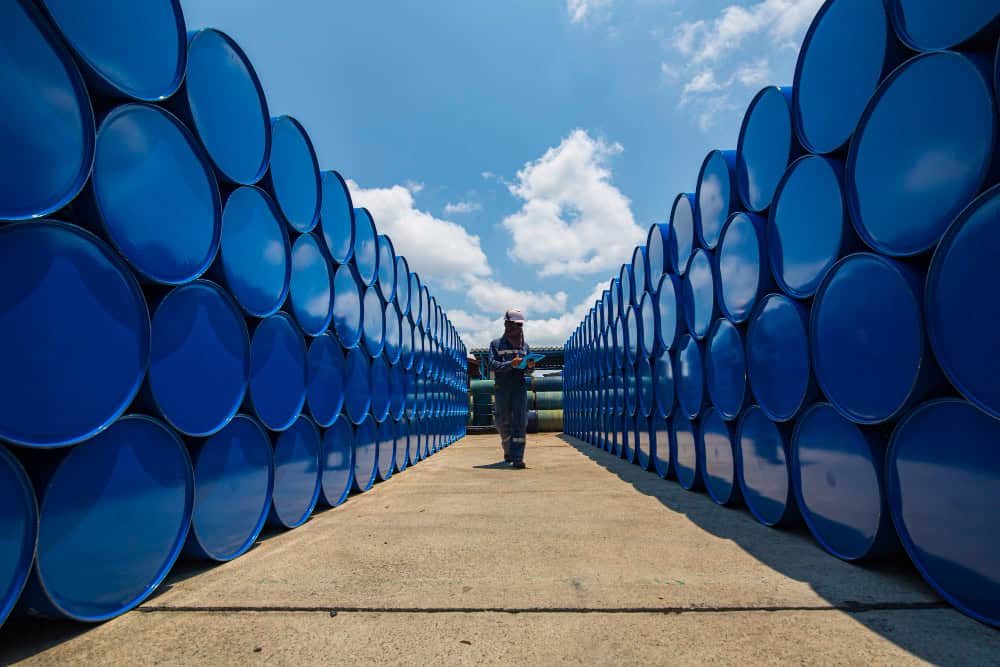
The scale of capital expenditures in petrochemical operations further elevates the importance of strategic IP management. Refineries, petrochemical plants, and specialty materials manufacturing facilities often involve billions of dollars in infrastructure. When a patented process is integrated into such facilities, the stakes of infringement litigation can be immense. Robust patent portfolios not only deter competitors but also provide leverage in cross-licensing negotiations and joint development agreements.
Drafting strategy in the petrochemical field demands more than technical completeness. A well-drafted patent application does more than describe a process or product and list numerous embodiments or variations. It conveys the importance of the invention by clearly identifying the technical problems it addresses and the specific benefits it confers, particularly those that would not have been appreciated from prior art knowledge. Whether the invention improves yield, enhances catalyst longevity, reduces energy consumption, minimizes environmental impact, or enables new material properties, the application should articulate these advantages in a manner that supports non-obviousness arguments.
This strategic framing is invaluable during prosecution before patent offices. Clear articulation of the inventor’s motivation and the technical hurdles overcome provides practitioners with persuasive arguments and evidentiary support when responding to prior art rejections. It reduces ambiguity about the inventive contribution and strengthens the overall enforceability of the granted patent. Experienced patent counsel play a crucial role in developing this narrative and ensuring that the disclosure aligns with examination standards across jurisdictions.

Trade secret protection also plays an important complementary role. Certain aspects of petrochemical processes, such as precise operating conditions, proprietary formulations, or plant optimization algorithms, may be better protected as confidential information rather than disclosed in patent filings. However, reliance on trade secrets must be balanced against the risk of reverse engineering, employee mobility, and collaborative development with third-party contractors. Integrated IP strategies that coordinate patents, trade secrets, and contractual safeguards provide more resilient protection.
Global operations further complicate patent strategy. Petrochemical companies often operate facilities, supply chains, and distribution networks across multiple continents. Geographic filing decisions should reflect not only target sales markets, but also manufacturing hubs and regions where competitors operate. International filing strategies must account for variations in chemical patentability standards, disclosure requirements, and enforcement practices.
Environmental and sustainability considerations are increasingly central to petrochemical innovation. Technologies aimed at reducing emissions, improving recyclability, developing bio-based alternatives, or enhancing energy efficiency are attracting regulatory incentives and public scrutiny. Patents in these areas can support environmental compliance initiatives, strengthen public positioning, and unlock partnership opportunities. At the same time, disclosures must be carefully managed to ensure that regulatory filings and public sustainability reports do not inadvertently compromise patent rights.
Portfolio management in the petrochemical industry is an ongoing process. Process improvements, catalyst refinements, and product modifications occur incrementally over time. Continuation applications and follow-on filings help ensure that protection extends to improved embodiments and optimized configurations. Regular audits of patent assets can identify gaps, overlapping claims, and opportunities for monetization through licensing.


Ultimately, intellectual property in the petrochemical and downstream chemical sectors is not merely a defensive tool. It is a strategic asset that underpins investment decisions, joint ventures, supply agreements, and technology transfers. In an industry defined by technical sophistication, capital intensity, and global competition, engaging experienced patent counsel is essential. Skilled advisors help identify protectable innovations, navigate dense patent landscapes, craft persuasive and durable disclosures, and align IP strategy with long-term operational and commercial objectives. Organizations that integrate patent planning into their research and development processes will be best positioned to secure durable protection and maintain competitive advantage in an evolving and demanding marketplace.
Leave a message and we will contact you shortly.
In Bard Peripheral Vascular, Inc. v. W.L. Gore & Associates, Inc. 14-1114 – 2015-01-13, the Federal Circuit upheld a district court decision finding willful infringement....
This involves submitting a meticulously drafted document to the patent office that technically and legally describes your invention, officially starting the protection process.
This involves submitting a meticulously drafted document to the patent office that technically and legally describes your invention, officially starting the protection process.
This involves submitting a meticulously drafted document to the patent office that technically and legally describes your invention, officially starting the protection process.
Leave a message and we will contact you shortly.